The Wrack
The Wrack is the Wells Reserve blog.
The Wrack is the Wells Reserve blog.
Why "The Wrack"? In its cycles of ebb and flow, the sea transports a melange of weed, shell, bone, feather, wood, rope, and trash from place to place, then deposits it at the furthest reach of spent surf. This former flotsam is full of interesting stuff for anybody who cares to kneel and take a look. Now and then, the line of wrack reveals a treasure.
 Ginger Laurits

Spring has finally arrived at the Laudholm Native Plant Gardens, and we say good riddance to snow, sand, mud, and all other winter messes. All is as it should be… Or is it?

For the past six years, a team of phenology volunteers have been observing and monitoring plants and animal species at the Reserve on a weekly basis. Through this process, they contribute meaningful data year after year and have discovered a deeper sense of place and connection to nature. Read on to learn more.
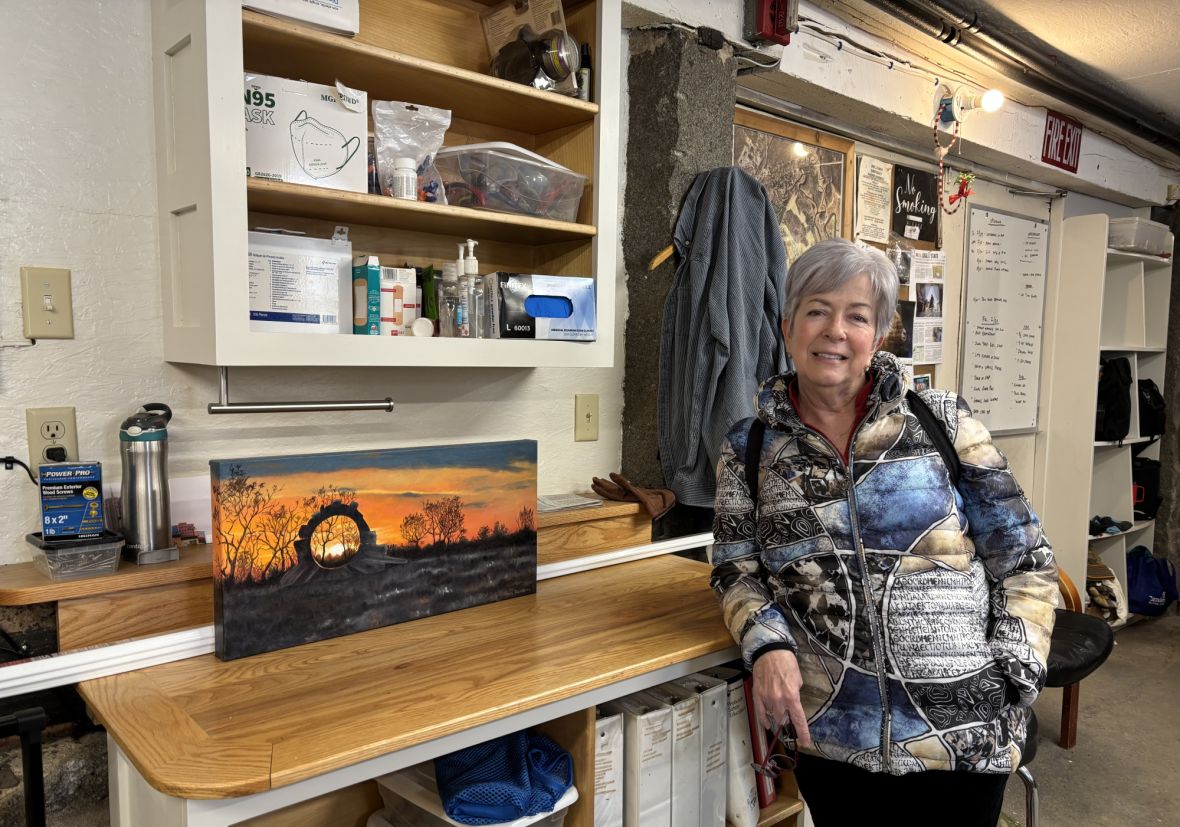
Volunteer Chris Gendron brightens the Wells Reserve with her talent.

As we settle into the slower season, we checked in with the Reserve staff to see what keeps them inspired and engaged throughout the colder, darker winter months. We hope these ideas will help you find joy and learn something new throughout the winter season too!

We are pleased to announce the appointment of Dr. Jennifer Seavey as the new Executive Director, effective January 5, 2026. Dr. Seavey brings deep family roots in Maine and more than two decades of leadership in marine science, conservation, and community-centered coastal resilience across the Gulf of Maine.

Take a look at the answers to the 2026 Winter Wildlife Scavenger Hunt and learn some fun facts about these critters while you're at it.

View the Fall 2025 issue of Watermark, our member newsletter.

The Wells Reserve at Laudholm just launched a new online mapping tool to aid coastal communities in southern Maine working to address coastal flooding and erosion. Read on to learn more about this tool and its uses.
 Emma Knudson

Emma Knudson, NOAA Hollings Scholar and Summer Camp Assistant, reflects on her experience this summer.


