The Wrack
The Wrack is the Wells Reserve blog.
The Wrack is the Wells Reserve blog.
For Allan Amioka, stewarding the gardens and lands of the Wells Reserve is not only a way to give back. It is also about learning and sharing in community with others.
Over the years, Allan has supported a wide range of stewardship and education projects: New England Cottontail habitat restoration plantings, invasive plant removal, Earth Day, the Reserve’s Education Advisory Committee. He is a phenology volunteer, regularly walking a designated route to record seasonal changes in plants and wildlife. As a Master Gardener volunteer, Allan coordinates native plant sales and oversees activities in the All-Seasons Garden.
The Master Gardeners have had a long relationship with the Wells Reserve. We’ve always had our annual meetings here. The first one I attended as a Master Gardener intern was in 2010, and I had not heard of the Wells Reserve. I was just gobsmacked when I pulled around the corner and saw the buildings, and beyond. I was hoping there was a project I could volunteer for and learn more about the place.
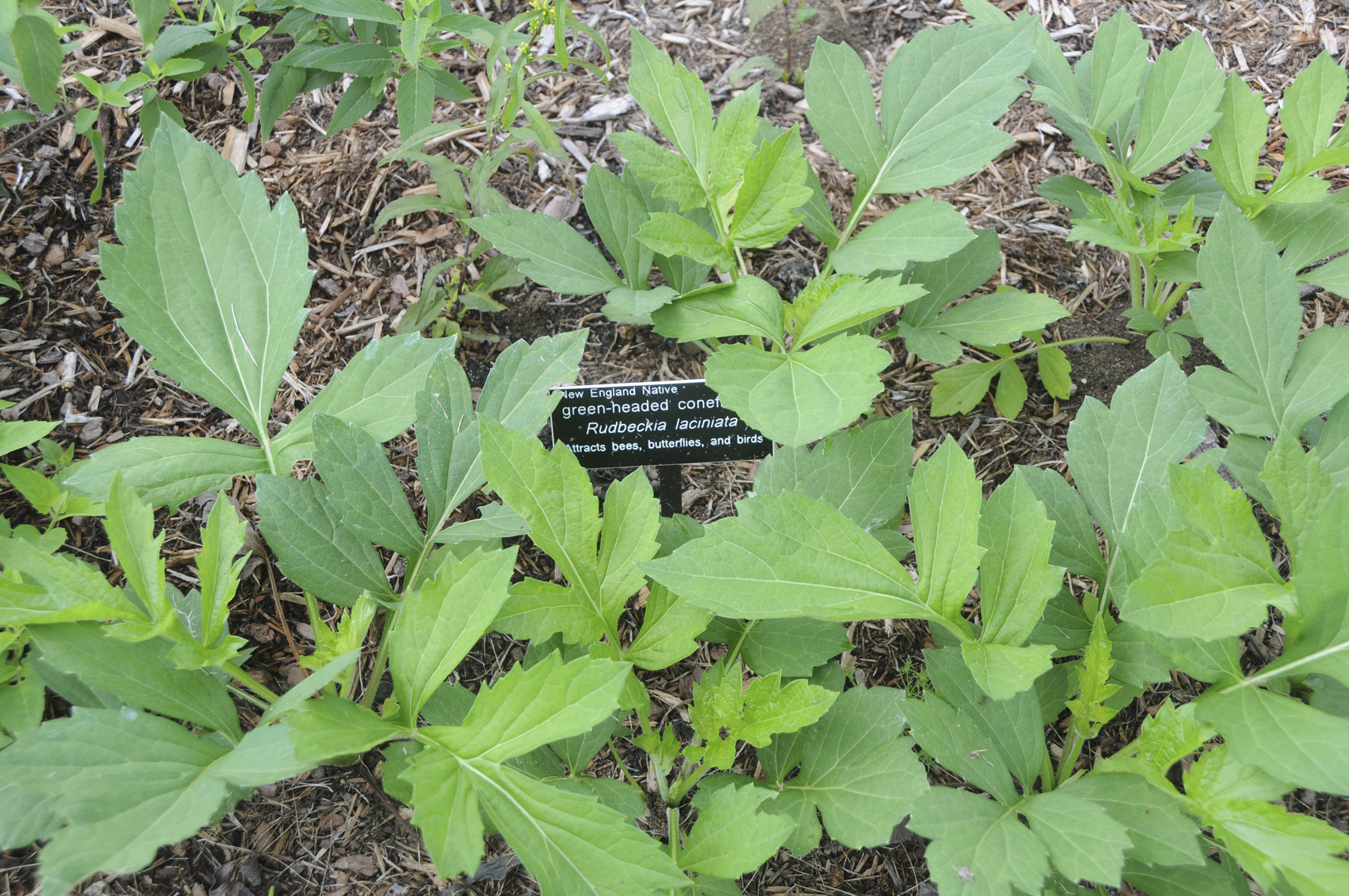
In 2018, Allan helped convert an area along the walkway into a pollinator-friendly garden. Though visitors are keen to get to the trails, they pause here to appreciate the blooms, the tall, leafy stems and groundcovers, and the lulling movement of pollinating insects. Small placards display each plant’s common and scientific name, educating the public about which plants are beneficial for pollinators.
There are gardens, and then there are gardens, natural spaces that reveal what Allan says is the “bigger picture of where gardening fits into the natural world.”
One of my favorite projects early on was YardScaping, started by [Maine State Horticulturalist] Gary Fish. It touched on how the use of chemicals to beautify gardens was having harmful downstream effects. That led me to think that traditional gardens, though wonderful, are part and parcel of a larger place within the natural world. This is outside of the fact that native plants are better for pollinators. It took a while for people to warm up to [native plants] because they may not be as showy. They don’t always fit our bill as gardeners.
Allan says interest in native plants has increased in the last decade through the work of entomologist and author Doug Tallamy and University of Vermont professor Annie White. Allan continues this work today, connecting with the community and sharing practical ways that people can embrace native plants and natural gardening. It is hard to imagine that horticulture hasn’t been his lifelong profession!
My gardening started with being told where to put that bag of compost or soil. But I like to learn, and I’ve always liked the outdoors.
Growing up in the city, Allan was curious about the trees and plants that thrived in the urban spaces he frequented. The idea of volunteering started at age eleven when he joined the Boy Scouts and took to heart the motto, “Do a good turn daily.” To him, it meant: volunteer to help somebody.
Volunteering is about community. It’s a way to connect and share. Being a volunteer, you can make a difference. You get to see what is out there and be around people who care about learning. One of the things I like about being involved is the conscious effort to find the most effective ways to communicate the work that gets done here, both in the sciences and with environmental topics.
Allen grew up in the NYC area and enjoyed a career as an industrial designer. When not traveling the country for work, he commuted into the city daily.
I was on the train with some high rollers. It was both intimidating and inspiring. It was inculcated in me [at a young age] that I had to try really hard to make it. I heard an interview with Michael Pollan recently in which he states that when we are children, we have a lantern view of the world. As we mature, we move toward a spotlight view of the world. We see only what we need to see. One gets very focused and shuts down sensitivities to everything else going on. As a consequence, you don’t get a chance to stop and smell the roses. There is stress that goes along with that.
Allan remembers seeing the roads out of Manhattan, on any day but especially on Fridays, clogged with traffic escaping the city. Allan reached a point where he decided he no longer desired that particular pressure or setting and moved to Maine.
The woods and the mountains are very different worlds from working in an office building or commuting on a train. As a volunteer, you can do it at your own pace. One very gratifying thing I love is to stop, look at the ground, look up, and listen for something I might have missed in the past. Trying to go back and get some of that lantern view.
Allan is an engaging presenter and teacher. He is a gifted photographer. He now coordinates Maine and New Hampshire’s pollinator-friendly garden certification programs. He approaches all these roles and interests with humility.
I enjoy sharing. And it’s not just me! Many of the horticultural workshops I’ve coordinated involved other Master Gardener Volunteers sharing their passions and expertise. I appreciate the opportunity and feedback, which hopefully creates a continuous growing learning loop.
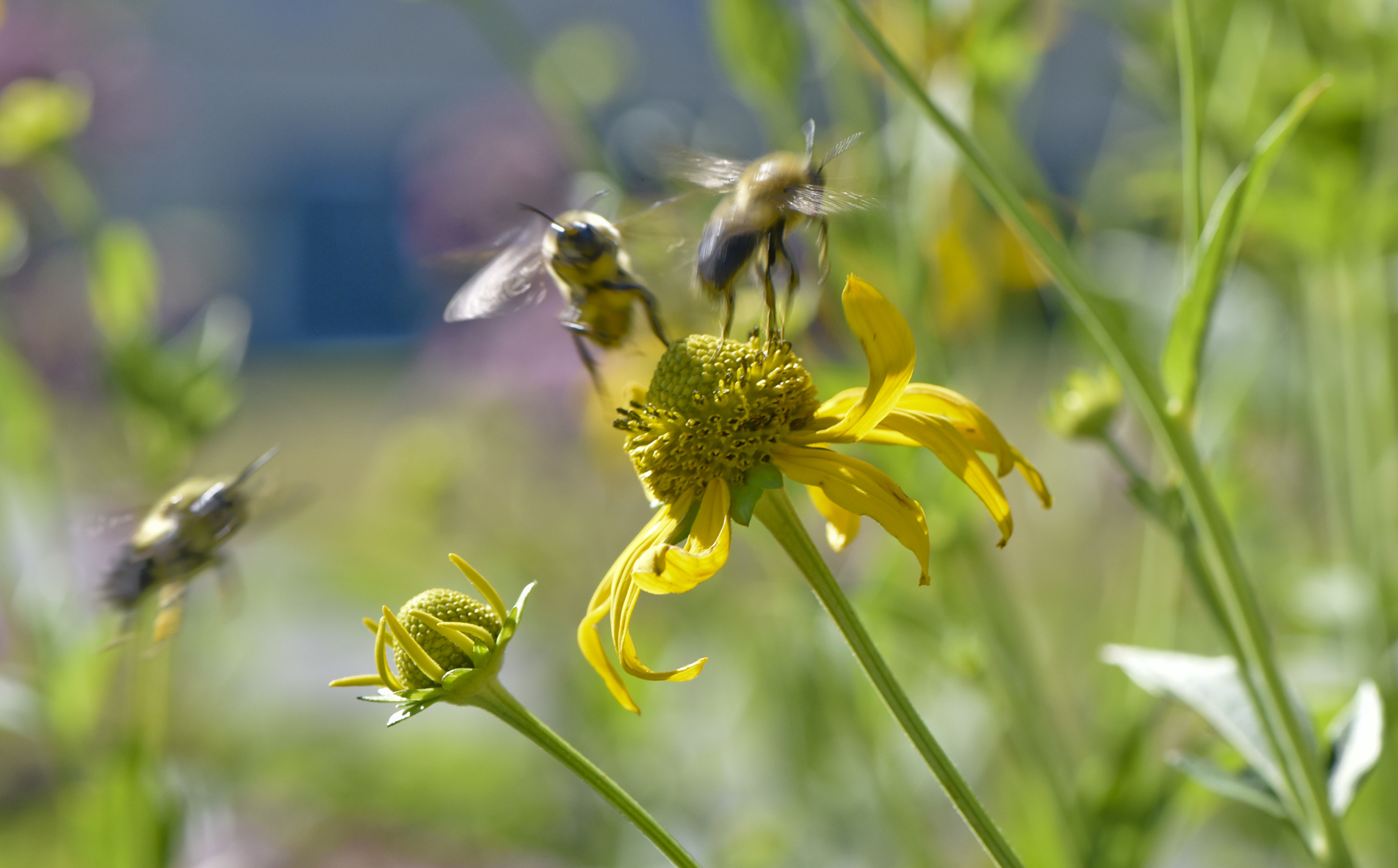
He enjoys discussing the work of writers and thinkers who inspire him, including the aforementioned Tallamy and White, Michael Pollan, Robin Wall Kimmerer, and the late Dartmouth professor Donella Meadows.
She wrote what to me was a very powerful essay on three reasons why biodiversity is important, ecosystem services being one of them, another is the materials, the building blocks of chemistry, and all these things that have helped our lives…I’m on the side of the pollinators, the rest of the creatures that we’ve forgotten about or put aside, and that for a long while had become secondary to many…When we get down to it, we have to eat. We can’t photosynthesize, and we rely on plants to do that. They exist because of all the processes that have come before us and hopefully will exist after us.
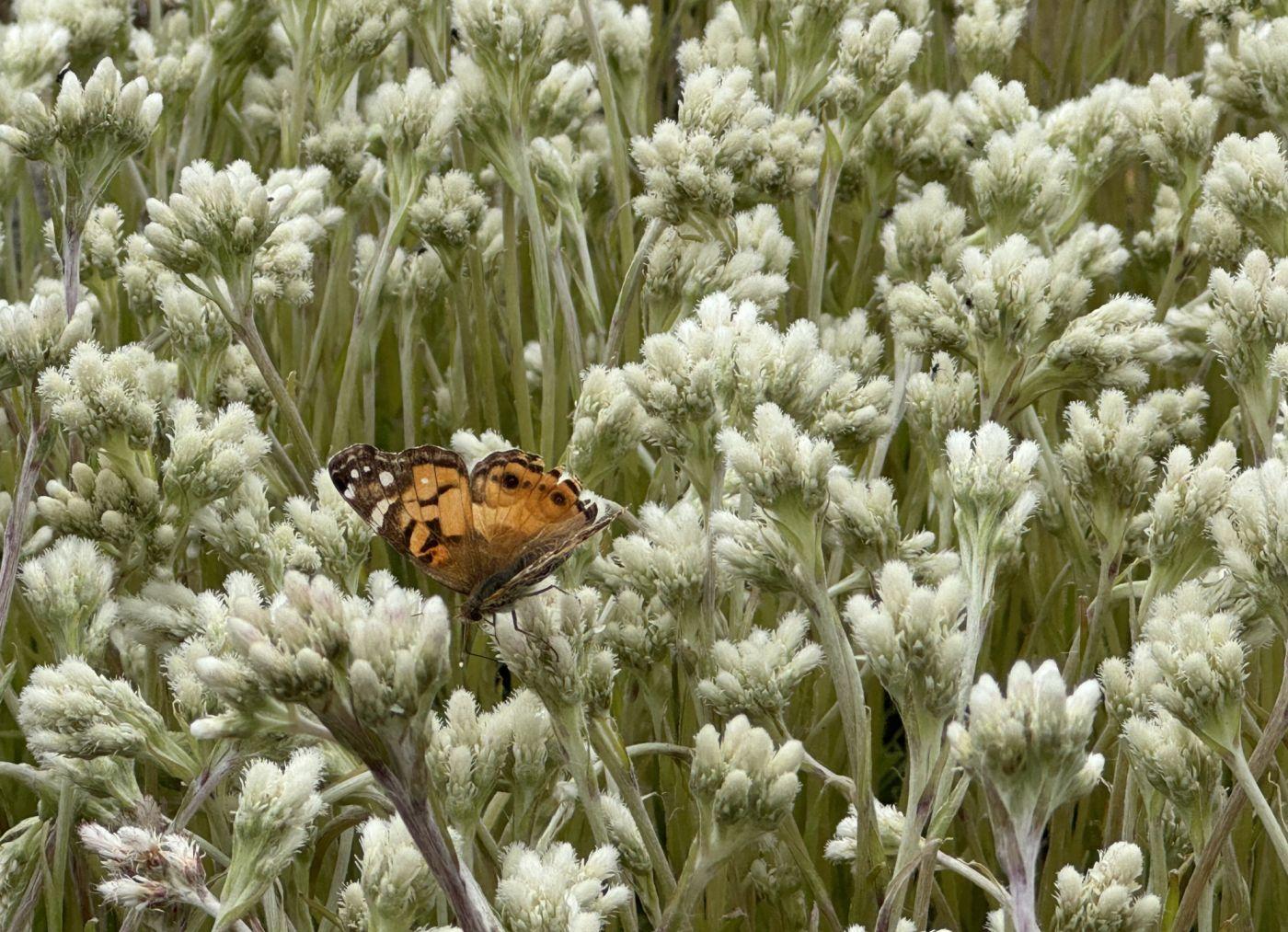
Allan enjoys spending time at the Reserve, where awe and wonder, the beauty of the natural world, are integrated with science, education, and community, where knowledge sharing occurs between volunteers, staff, and visitors.
I very much enjoy interactions with visitors to the Reserve. One day, a visitor walked by the All-Seasons Garden. He was from upstate New York and curious about what we were growing. He was part of a group that brought back the Karner Blue butterfly to that state. They restored enough habitat for the butterfly to return. I’m hoping to someday see the Karner Blue back here. Last year, I spoke with three women who used to be a group of four who would come here annually. Each year they come, spend time together, and walk around. Last year was the first year without the fourth person, who passed away. They just enjoy the place, and I enjoy talking to them and talking about the garden.
In a way, the Reserve’s human community is like a garden. One that is both beautiful and functional, with the seeds of positive interaction between people. A layered community learning, sharing, and growing together, all helping this place, as Allan says, “survive and change in its own time so that other people can experience it.”
