The Wrack
The Wrack is the Wells Reserve blog.
The Wrack is the Wells Reserve blog.

Dr. Jennifer Seavey, new Reserve Executive Director, shares some initial reflections on what she's learned about the research legacy of this place: the data we've collected, the partnerships we've built, and the discoveries that have emerged from our salt marshes, forests, and estuaries.

Last week, we installed a brand-new weather station here on our Laudholm campus, with a little help from our friends!

Learn the story behind a new tool to assess your property's flood risk during coastal storms.

Reporting on 12+ years of larval fish research in the Gulf of Maine at the 45th Larval Fish Conference.

Wells Reserve researchers, past and present, are well represented at the 2022 Benthic Ecology Meeting.

Adapting inexpensive technology to discover where lobsters experience the most stress en route between capture and kitchen.
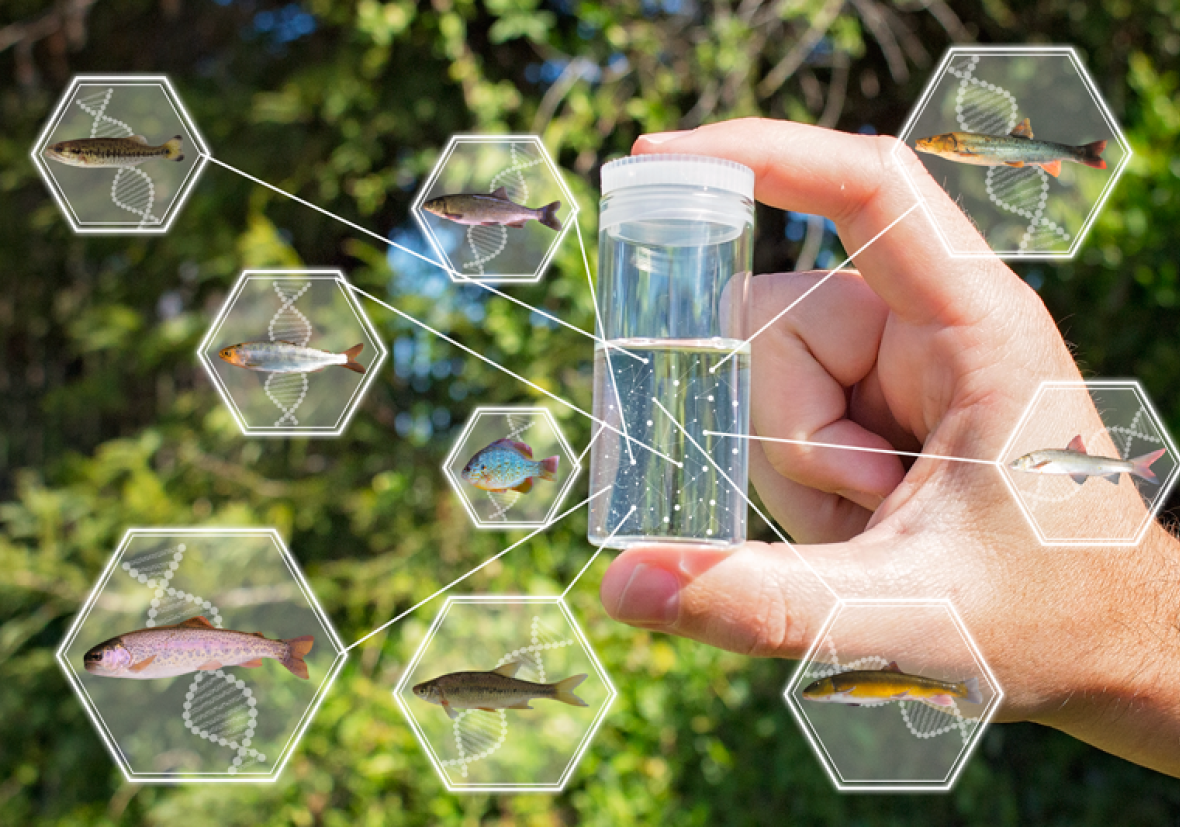
eDNA methods and traditional plankton-net surveys are complementary ways to investigate estuarine fish assemblages. Which methods to use depend on what question we ask.

Four determined and ambitious emerging scientists—Phoebe Oehmig, Amanda Giacchetti, Christopher Ring, and Katrina Zarrella Smith—spent their summers contributing to research at the reserve.

Using ocean drifters (small buoys carrying GPS units) as a stand-in for microscopic lobster larvae will allow scientists to get a better idea of where those larvae drift during their first weeks living as plankton before they settle to the bottom where they grow to adulthood.

Wells Reserve scientists are studying the swimming abilities of baby lobsters to better understand the consequences of climate change for these important animals.